School of Medicine
The Commonwealth of Massachusetts' first and only public medical school, the University of Massachusetts Medical School (UMMS) was founded in 1962 to provide affordable, high-quality medical education to state residents and to increase the number of primary care physicians practicing in underserved areas of the state. More than 40 years later, UMMS retains the pioneering spirit that attracted its founding faculty and students, even as it has matured to become one of the nation's top 50 medical schools.
UMMS, located in Worcester, is one of five University of Massachusetts campuses, and one of about 28 free-standing, university-based academic health science centers in the U.S. Ranked fourth in the nation in primary care education in the 2006 U.S.News & World Report's “America's Best Graduate Schools,” the institution's main components are the School of Medicine, Graduate School of Biomedical Sciences and the Graduate School of Nursing. Its clinical partner is UMass Memorial Health Care.
As the sponsor of educational and service programs in health care throughout the commonwealth, UMMS is a local, regional and statewide health resource.
The school's founding educational objective was to provide high-quality and accessible medical education to residents of Massachusetts. This objective has been expanded to include graduate education in biomedical sciences and nursing, graduate medical education, training in various allied health professions, and continuing education for health care practitioners.
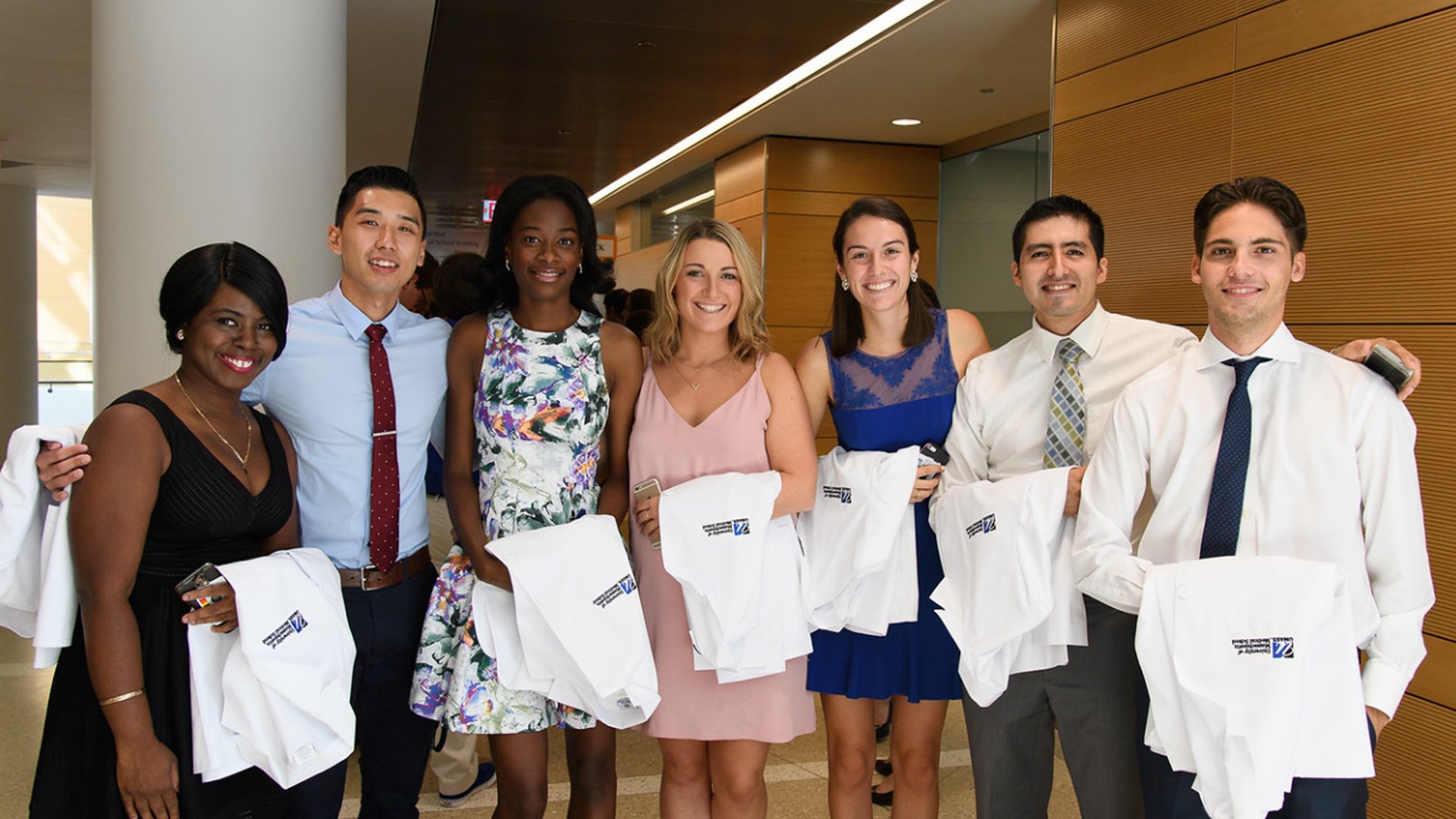
Established in 1962, UMass Medical School accepted its first class in 1970. Since then, its primary responsibility has been to provide excellent education to medical students - all residents of the commonwealth - who come determined to master the basic sciences of medicine, and to become caring physicians concerned with the total patient. For the 100 students enrolled in each class, the School of Medicine is committed to training in the full range of medical disciplines, with emphasis on practice in the primary care specialties, in the public sector, and in underserved areas of Massachusetts. The School of Medicine is one of 14 centers in the nation to be awarded the prestigious Robert Wood Johnson Generalist Physician Initiative grant. This provides UMMS with $2.5 million in funding to support training in the primary care disciplines.
Danna B. Peterson, MD Associate Professor of Anesthesiology Assistant Dean for Student Affairs/Minority Support | "Students know we are here to help them with career decisions." Peterson emphasizes lifelong learning in her roles as both a teacher and an advisor. "When our graduates go out to practice, they will be prepared to incorporate new information and technology with what they have learned in medical school." |
Please be aware that it is the policy of the University of Massachusetts Board of Trustees to consider for admission to the School of Medicine only those applicants who are certified as legal residents of the Commonwealth of Massachusetts.
Click here for more information.
In addition to the School of Medicine, the University of Massachusetts' Worcester Campus houses the Graduate School of Biomedical Sciences, the Graduate School of Nursing and a growing research enterprise.
The Graduate School of Biomedical Sciences , a faculty initiated PhD program, trains scientists and educators to conduct laboratory research on problems related to human disease and to serve as faculty members in institutions devoted to the medical sciences. UMass-trained research scientists also play a key role in the commonwealth's vital biotechnology industry.
The Graduate School of Nursing , prepares nurse practitioners and educators in the masters program within five nursing specialties: adult acute/critical care nurse practitioner, adult primary care-nurse practitioner, dual track gerontological nurse practitioner, family nurse practitioner and nurse educator. The doctoral program prepares nurse scientists for research, faculty and other nursing leadership positions
The educational mission is enhanced by 36 accredited residency and fellowship programs, some 100 continuing education programs for the region's health care professionals, cooperative degree programs with area colleges and universities, and community-based education programs emphasizing ambulatory care and the needs of underserved communities and populations.